

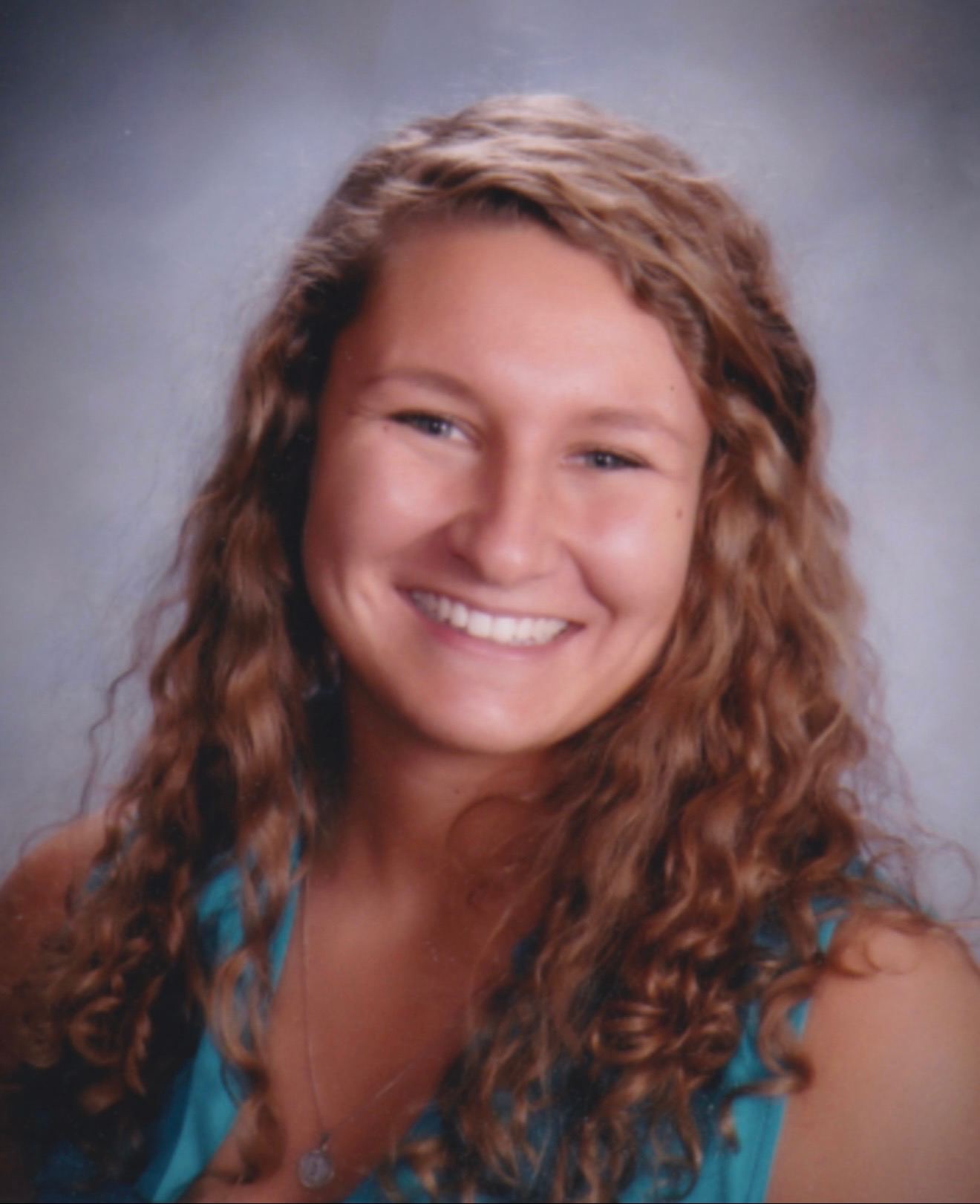
Ever wonder what it would actually feel like to sit down with your pregnancy dietitian before you ever book a session? That’s exactly what this episode is about. I’m chatting with Ashley Dimon, one of the dietitians on our team at The Pregnancy RD, and by the end of this conversation, you’ll know her vibe, her approach, and what it’s really like to work with her.
Ashley’s path to prenatal nutrition wasn’t a straight line. She started in college athletics, transitioned to WIC (the Women, Infants, and Children program), and along the way discovered that helping moms feel nourished through every stage of pregnancy was exactly where she was meant to be. We talk about her love for creativity in the kitchen, why she’ll never stop reminding her clients that carbs are brain fuel, and the one pregnancy nutrition myth she wishes would disappear for good.
If you’re looking for a pregnancy dietitian who brings warmth, real-life practicality, and zero judgment to every session, this one’s for you.
Listen to this episode of the Feel Better Pregnancy & Postpartum Podcast
Or listen and subscribe for free on your favorite app: Apple Podcasts | Spotify
One of the things I hear most from new clients is that they want to know who they’re going to be working with before they show up to that first session. They want to feel a connection. They want to know their pregnancy dietitian actually gets what they’re going through.
That matters. Because this work is personal. We’re talking about your body, your baby, your symptoms, and your food. You deserve to feel safe and comfortable with the person sitting across from you (even if “across from you” means on a screen).
That’s why I started this series. I want you to meet my team the way I know them: as real people with real lives who just happen to be incredible clinicians.
Today, I’m introducing you to Ashley Dimon, MS, RDN.
From College Athletics to Pregnancy Nutrition
Ashley didn’t plan to end up in prenatal nutrition. She started her career as a sports dietitian, working with Division I athletes on fueling and performance. When she moved back to New Jersey, she took a position at WIC (the Women, Infants, and Children program), and that’s where things clicked.
Working at WIC, she saw firsthand how much moms needed support with nutrition during pregnancy and postpartum. She learned how to get creative with limited pantry staples and how to build complete, nourishing meals from what you actually have on hand, not from some aspirational grocery list.
That combination of sports nutrition and WIC experience gave Ashley a perspective that’s hard to find: she understands how to fuel a body through a physically demanding season (because pregnancy is one), and she knows how to do it in ways that are realistic and accessible.
What Makes a Great Pregnancy Dietitian?
Here’s what I’ve learned from building this team: credentials matter, but so does the ability to meet someone where they are. Ashley brings both.
Her background in disordered eating means she understands the complicated feelings that come with a changing body. She knows how to hold space for the grief, the comparison, the pressure from society about what your body “should” look like. And she does it without making you feel like something is wrong with you for feeling that way.
She also brings this grounded energy to sessions. She’s not going to hand you a list of rules. She’s going to figure out what’s already working and build from there, one small addition at a time.
“Fed Is Best, and That Goes for Mom, Too”
One of the things Ashley said during our conversation that really stuck with me was this idea that “fed is best” doesn’t just apply to babies. It applies to moms, too.
In those early weeks of pregnancy, when the only thing your body can tolerate is crackers or applesauce or cereal, there’s so much guilt. You know what you “should” be eating, and what your body will actually accept are two very different things.
Ashley reframes that. If today an applesauce pack is what works, that’s getting you fruit. That’s one more step. And as long as you’re moving forward, or even standing still, you’re doing okay.
That reframe is everything when you’re in the thick of first trimester nausea and the internet is telling you to eat leafy greens and wild-caught salmon.
Carbs Are Brain Fuel (Yes, Really)
If you work with Ashley, you’re going to hear this phrase: “Where’s our brain fuel?”
It’s become a running joke with her clients, and honestly, I love it. Because carbs have been demonized for so long that many moms walk into sessions afraid to eat them, especially if they’re worried about gestational diabetes or weight gain.
But carbs do so much for your brain, your hormones, your body, and your energy. They’re not the enemy. And having a pregnancy dietitian who reminds you of that, session after session, until you start reminding yourself? That’s the kind of support that actually sticks.
Ready to feel more confident about what to eat during pregnancy? Fill out our Let’s Work Together form and we’ll match you with the right dietitian for your situation.
The Pantry Approach to Pregnancy Meals
One of the skills Ashley honed at WIC that translates so well to pregnancy nutrition is what I call the “pantry approach.”
She described it like this: you look in your pantry and you have two cans of beans, a bag of rice, and some cheese. What are you doing with that tonight? Can you add a steamable bag of vegetables to round it out? That’s a complete meal, and you didn’t need a grocery run or a Pinterest recipe to get there.
This is exactly the kind of thinking that helps when you’re pregnant and exhausted. You don’t need a meal plan that requires 47 ingredients and three hours of prep. You need someone who can look at what you already have and help you see the full picture.
The Caffeine Myth She Wants to Put to Rest
When I asked Ashley what pregnancy nutrition myth she wishes would disappear, she didn’t hesitate: you don’t need to completely eliminate caffeine during pregnancy.
For most pregnancies, a standard 12-ounce cup of coffee (around 200 milligrams of caffeine) is perfectly fine. Some modifications may be needed depending on your situation, but a blanket “no caffeine” rule? Not necessary.
And when you’re already dealing with fatigue, nausea, and all the other symptoms pregnancy throws at you, knowing you can still have your morning coffee is a real relief.
Easy Wins: Ashley’s Go-To Pregnancy Snack
When I asked Ashley for her favorite pregnancy meal or snack to recommend, she went straight to chia seed pudding and overnight oats.
Her reasoning? They check every box. You put them together, throw them in the fridge, and grab them when you’re ready. Add some nuts or seeds for crunch, toss in some fruit, and you’ve got protein, fiber, carbs, vitamins, and minerals in one container. No cooking required.
For moms who are exhausted and need something nourishing that doesn’t require any effort in the moment, it’s one of those lowest hanging fruit recommendations that makes a real difference.
Working with a Pregnancy Dietitian Who Gets It
Ashley brings something to our team that’s really special: she understands the athletic mindset (because she’s lived it), she understands food creativity on a budget (because she’s worked in it), and she understands the emotional complexity of feeding yourself during pregnancy (because she’s trained in it).
She described the journey beautifully: fertility is the pregame, pregnancy is the marathon, postpartum is the post-game. And to have someone who understands fueling for each of those stages? That makes a world of difference.
If you’re looking for a pregnancy dietitian who will celebrate your wins, meet you where you are, and remind you that carbs are brain fuel until you believe it yourself, Ashley’s your person.
Wondering which pregnancy dietitian on our team is the right fit for you? Take the Pregnancy Nutrition Quiz to find out.
A pregnancy dietitian creates personalized nutrition plans based on your trimester, symptoms, labs, and lifestyle. They help you manage things like nausea, gestational diabetes, constipation, and fatigue through food, so you can actually feel better during pregnancy rather than just powering through.
A dietitian who specializes in pregnancy has deeper knowledge and training in the unique nutrient needs, symptoms, and complications that come with each trimester. They can address things like blood sugar management, food aversions, and rebuilding nutrient stores postpartum at a level of detail that a generalist dietitian or OB may not have the specialization to cover.
Many insurance plans cover nutrition counseling during pregnancy with little to no out-of-pocket cost. At The Pregnancy RD, we accept several major insurance plans and most clients pay nothing for their visits.
Yes. A pregnancy dietitian who specializes in gestational diabetes can help you manage blood sugars through food without restriction or guilt, and many clients see improvements within the first week of working together.


Socialize