

One poke for the one hour test. Four more for the three hour. Then four a day, every day, for the rest of your pregnancy. If you just got the gestational diabetes call, or you’re six weeks in and tired of feeling graded, I made this episode for you.
I walk through what’s actually happening in your body (and why this is not your fault), what all that monitoring can do to how you feel about food, and the four simple levers I teach my clients for building meals that support your blood sugars without cutting out the foods you love. We also talk about fruit, the “don’t eat anything white” advice, moving after meals, and why needing medication says nothing about how hard you’re working.
If food has started to feel like a test you’re scared to take, this conversation will help you take some of the weight off those numbers.
Listen to this episode of the Feel Better Pregnancy & Postpartum Podcast
Or listen and subscribe for free on your favorite app: Apple Podcasts | Spotify
If you’re wondering what to eat with gestational diabetes, chances are you were handed a one page sheet, a meter, and a list of foods to cut. And then you were sent on your way.
What usually comes next is a lot of second guessing. Every meal starts to feel like a test, with your results due in two hours.
I want to give you a different starting point. Gestational diabetes is something your body is doing during pregnancy. It is not a verdict on what you ate or how you live. And once you understand that, the way you eat can come from information instead of fear.
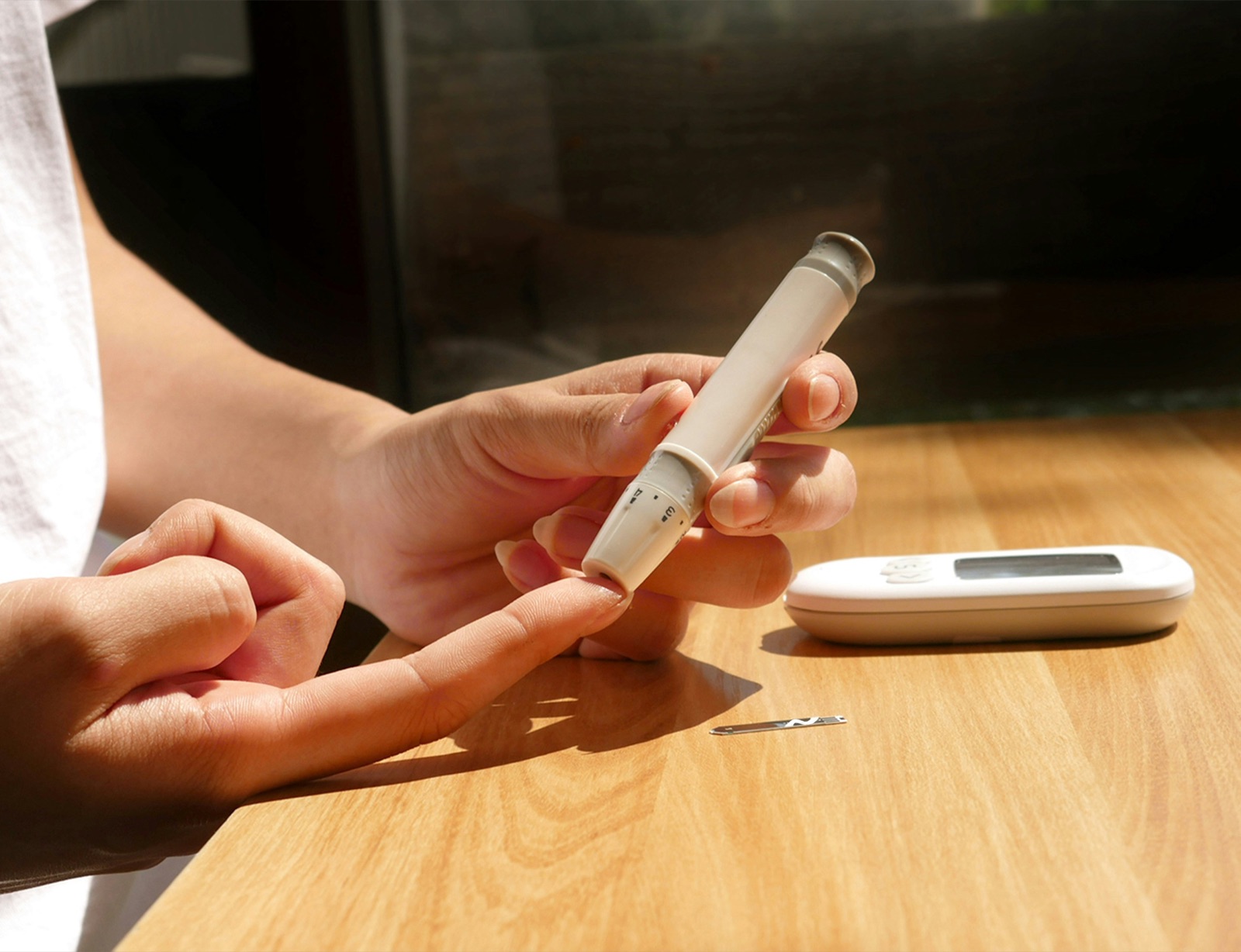
What’s Happening in Your Body
As your pregnancy goes on, your placenta and your body make more of certain hormones, like estrogen, progesterone, and cortisol. Together, they make your body more resistant to insulin. That part is on purpose: it leaves more glucose available for baby.
So everyone who is pregnant has some insulin resistance. The question is whether your pancreas can make enough extra insulin to keep up. If it does, your numbers stay in range. If it can’t quite keep up, that’s gestational diabetes. (This review of how GDM develops lays out all the factors involved, if you want the science.)
This also explains two things that catch moms off guard. You’re tested between 24 and 28 weeks because that’s when those placental hormones really ramp up. And your numbers can get harder to manage around 32 to 36 weeks. That’s pregnancy physiology. It doesn’t mean you slipped up.
Did I Cause My Gestational Diabetes?
No.
Here are the risk factors the research has found:
- Being above a healthy BMI
- Being over 25
- A previous pregnancy with GD, or a baby who measured large
- Your background
- A history of PCOS or insulin resistance
- A close relative (like your mom) with type 2 diabetes, or GD in her pregnancy
Body size is “a” risk factor, not “the” risk factor. Gestational diabetes does not have a look, and moms in the “healthy” BMI range get diagnosed too.
Now look at that list again. None of these are behaviors. They are conditions, genetics, and age. You can support your body with what you do day to day, but you can’t change your family history or the conditions you came into pregnancy with. So rather than blaming yourself, we focus on what we can do from here.
Why Food Starts to Feel Stressful
Four readings a day. A log someone reviews every week. Appointments that open with your numbers instead of asking how life has been lately.
It makes sense that food stops feeling like joy and connection and starts feeling like a source of anxiety. A lot of moms catch themselves thinking, “I can’t wait to eat normally again.”
And when food feels that stressful, eating less of it starts to look like the answer. You eat fewer carbs because you’re afraid of a high reading. Then you’re hungrier sooner and stumped on what to eat. Your numbers may look good, but you aren’t enjoying your pregnancy anymore.
Eating too few carbs can also show up in how you feel: low energy, trouble sleeping, feeling edgy. Those are common in the third trimester anyway, but it’s worth adding a few more carbs back in strategically to see if any of them get better.
If you have a history with food, dieting, or your body, this diagnosis can bring a lot of that back up. Tell your care team at those first appointments. Letting them know you have a complicated relationship with food helps them support you in a way that works for you.
There Are No Good or Bad Numbers
This is the reframe I give every client with GD.
A blood sugar reading is in range or out of range. That’s all. It’s information about how your body responded to that meal, along with your sleep, your stress, and whatever else the day held.
Each reading is a learning opportunity. Once you know how your body handles a certain food, in a certain amount, in a certain order, you stop guessing and you stop cutting foods out just in case.
One reading is one data point. A rough night of sleep, a birthday celebration, or a baby shower can all explain a one-off high number. If your numbers are consistently high, that’s when to look at the pattern and make a change.

What to Eat With Gestational Diabetes: The Four Levers
I promised in the episode that I wouldn’t hand you a list of foods to avoid, because almost nothing is off the table. What changes is how you put your meals together.
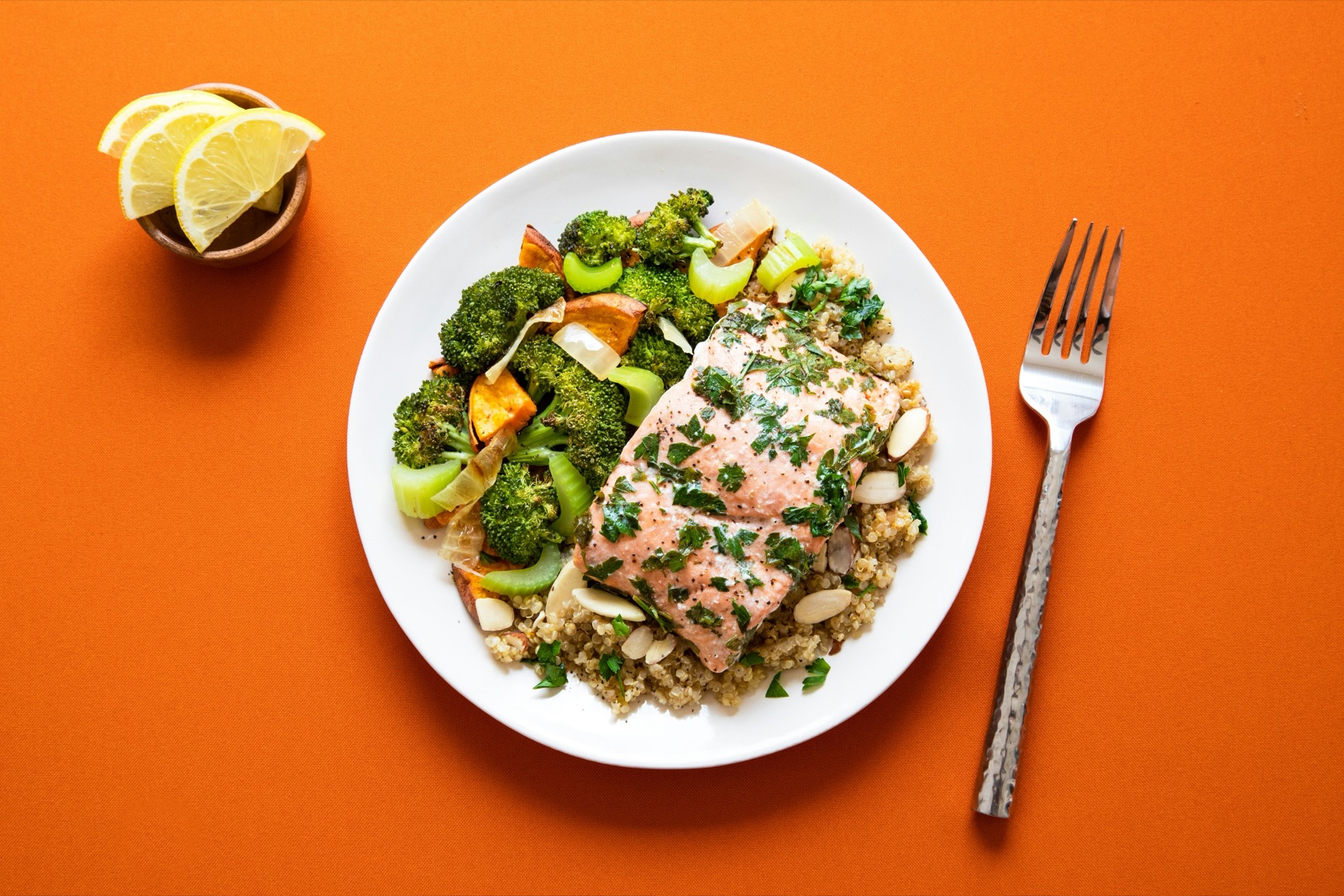
Lever 1: Build your plate. Half your plate is veggies (about 1 to 2 cups), a quarter is protein (at least the size of your palm, and more if you’re hungry), and a quarter is carbs (about a fistful). Higher fiber carbs help too: beans, lentils, protein pasta, potatoes, fruit, and winter squash, to name a few.
Lever 2: How much at once. Carbs aren’t a yes or no. Your body can handle a certain amount at a time, and your meter is how you find your amount. Spreading carbs across three meals and a couple of snacks means no single meal carries the whole load. Your amount may look different at breakfast, which is often the toughest meal because your body is more insulin resistant in the morning.
Lever 3: The order you eat in. Start with your protein and veggies and eat your starch last. Same plate, same foods. Protein, fat, and fiber slow down how fast the starch reaches your bloodstream, and in a small trial of moms with GD, eating carbs last lowered their after-meal numbers. If the bread basket comes first at a restaurant, have a few bites of your entree before you dig in, or save the bread to go with your meal.
Lever 4: What you pair it with. Try not to leave a carb on its own. Pair it with a protein or a fat, and let the protein be easy and right there on the plate. At dinner, that could mean the meatballs and broccoli are the main event and the pasta is the side. For a snack, cheese, nuts, and a piece of fruit.
Want help figuring out your amounts and the meals that work for your body? Book a session with one of our prenatal dietitians. Most clients pay little to nothing with insurance.
Yes, You Can Eat Fruit With Gestational Diabetes
Whole fruit comes with fiber, water, and nutrients you and baby need, and most moms with GD can have it every day. It comes down to how much you have at once, what you pair it with, and when.
- Stick with a serving at a time, like a cup of berries or a small apple.
- Pair it up: berries in Greek yogurt with chia seeds, an apple with peanut butter, or a clementine with a cheese stick.
- Notice the time of day. A lot of moms find fruit sits better later in the day than first thing in the morning.
Juice and big handfuls of dried fruit are trickier, because the fiber is gone or the portion shrinks down. They aren’t banned. They’re the ones to test carefully.
About “Just Don’t Eat Anything White”
If you heard this right after your diagnosis, it’s no wonder you felt ready to throw in the towel. Rice, bread, pasta, potatoes: that’s a lot of the food people actually like to eat.
The color isn’t what drives your number. The amount, the pairing, and the order matter much more. White rice with salmon and roasted veggies can read better than a meal labeled the “healthy low carb option.”
If you want to stretch a portion, half white rice and half cauliflower rice is an option, not a requirement. Keep the foods you love, use the four levers, and check your number.
Moving After Meals Helps
A short walk after a meal can help bring your number down, and three 10-minute walks after meals can work about as well as one 30-minute walk. Pick whatever fits your day.
Not much of a walker? Dancing in the kitchen while you clean up, a few trips up and down the stairs, folding laundry standing up, or playing with your toddler all count.
If walking hurts, you’re exhausted, or your provider has told you to take it easy, skip this one for now. The other levers still work without it.
Needing Medication Is Not a Failure
Say you’ve built your plate, picked higher fiber carbs, changed the order you eat in, added movement, and worked on sleep and stress. And your numbers, especially your fasting numbers, still won’t budge. Or you were doing great until 32 to 36 weeks, when managing blood sugars gets harder for a lot of moms.
If your doctor mentions adding a medication, that is not a failure on you. Your placenta keeps making more hormones as it grows, and sometimes food and movement can’t balance that on their own. Most of our clients manage without medication, some don’t, and that difference says nothing about how hard you’re working.
The four levers still matter with medication, and they can often help keep your dose lower.
This Is a Season
After baby arrives, your numbers usually go back to normal. Keep your follow-up glucose test, usually 6 to 12 weeks postpartum, and know that breastfeeding is protective if it’s part of your plan.
Gestational diabetes is not your new identity, even if it feels that way some days. It’s one season of this pregnancy, and you get to move through it with support.
Just because gestational diabetes is common doesn’t mean you have to walk through it alone.
Want support through your gestational diabetes diagnosis?
Our team of prenatal dietitians would love to help you find the meals and amounts that work for your body, including if your relationship with food has been complicated. We accept most major insurance plans, so there’s a great chance you’ll pay nothing out of pocket. Book your first session here.
No. Gestational diabetes happens when your body can’t keep up with the extra insulin pregnancy asks for. That comes down to placental hormones, genetics, age, and the conditions you came into pregnancy with, not the cookie you had last week.
Yes. Whole fruit brings fiber, water, and nutrients that you and baby need, and most moms with GD can have it every day. Stick with a serving at a time, pair it with a protein or fat, and notice what time of day it sits best for you.
No. The color of a food isn’t what drives your number. The amount, what you pair it with, and the order you eat it in matter much more, and your meter will show you what works for your body.
No. Your placenta keeps making more hormones as it grows, and sometimes food and movement can’t balance that on their own. Medication is extra support, and the way you build your meals still matters.


Socialize